




 GIFT:
GIFT:

Human beings, like other animals, naturally categorize other sentient beings. These labels indicate the extent to which we can harm each type of sentient being, or how much respect and cooperation they deserve. The level of consideration will depend on the label each one carries.
For this reason, among predatory species it is very rare for them to kill members of the same species for food, but it is very common for them to do so to any other species they can.
This translates into the level of empathy: we show sensitivity and compassion toward those who carry the “appropriate” label, and emotional coldness towards those who do not.This allows harm to be inflicted on them with little moral restraint.
We typically use three types of labels:
- HIGHLY RESPECTABLE, historically applied to kings, aristocrats, the clergy and authorities in general, who were treated with reverence. In fact, this still happens today for certain positions.
- RESPECTABLE, usually applied to those we consider part of our group and who follow social norms. In this case, mutual support and solidarity apply: I scratch your back, you scratch mine.
- VICTIMISABLE, such as black people in the southern United States used to be considered, who were forbidden to look white people in the face and could be lynched, or as non-human animals are often treated today.
Those considered “harmable” are devalued, sometimes even treated as mere objects, and can be attacked without moral restraint.
“Victimisable” labels have historically been applied to those we do not consider to be one of us. Generally, these are other ethno-linguistic groups, nations, tribes, clans, races, members of other religions, and above all, other species.
For thousands of years, these groups were permitted to be attacked, have their lands and wealth stolen, have their women raped, be subjected to slavery or servitude, be exploited, abused and killed—simply like that.
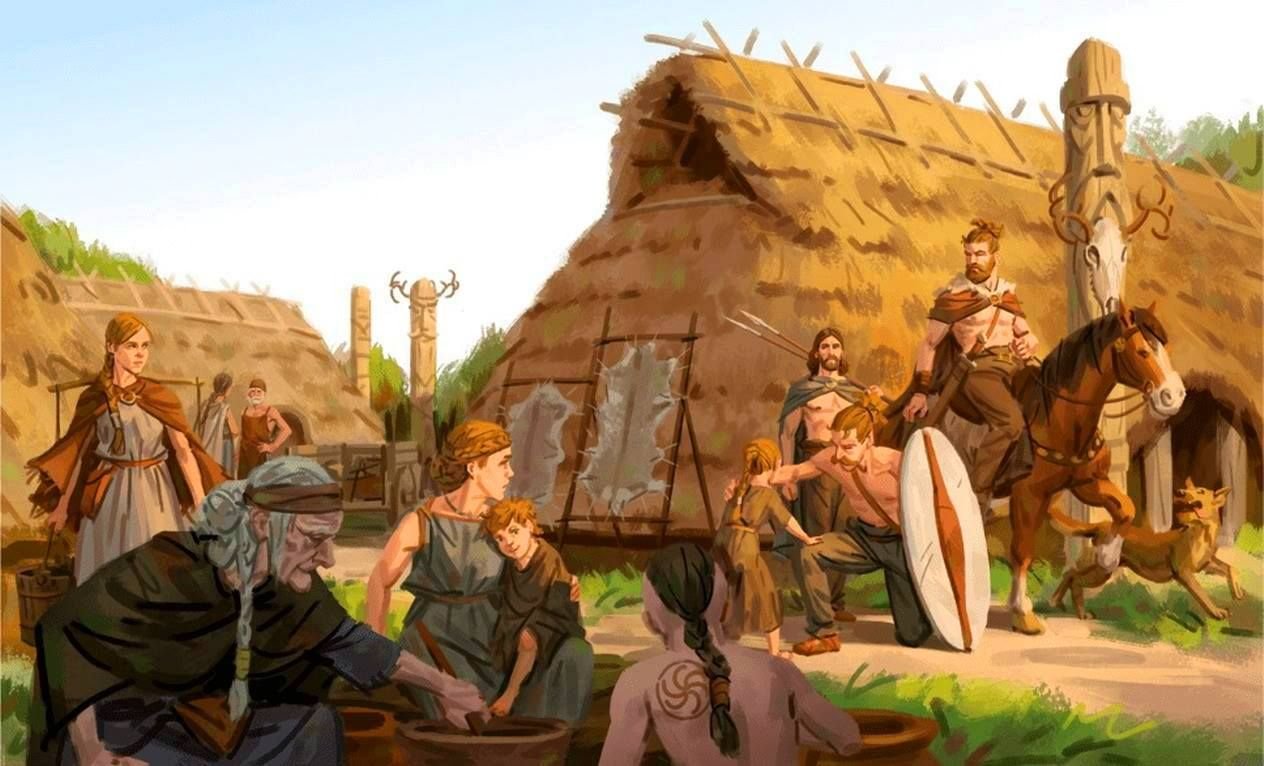
For example, the ancient Greeks could enslave people from different city-states, but especially targeted non-Greeks. The Romans could conquer, plunder and enslave other ethnic groups, but they made a sharp distinction between Greeks (considered civilised) and the rest (barbarians), showing respect for the former and none for the latter. The Germanic peoples could enslave members of other tribes, whether Germanic or not, because that is what they had learned from childhood.
Christian Europeans could enslave those who did not “carry the label” of Christians, such as pagan Slavs, black people (12.5 million enslaved people) or Muslims. In turn, these groups sometimes enslaved those “labeled” as infidels, including Christian Europeans. For example, the Barbary pirates enslaved more than 1 million Europeans in their raids across the Mediterranean and the Atlantic, reaching as far as the British Isles and Iceland. They also enslaved Zoroastrian Persians and, above all, black people (between 6 and 10 million people), until relatively recently. In fact, in Sudan this persisted into the 21st century itself, with Muslim Arabs from the north enslaving Christian or animist black people from the south, whose only “sin” was not having the correct “classification”.

