


 GIFT:
GIFT:
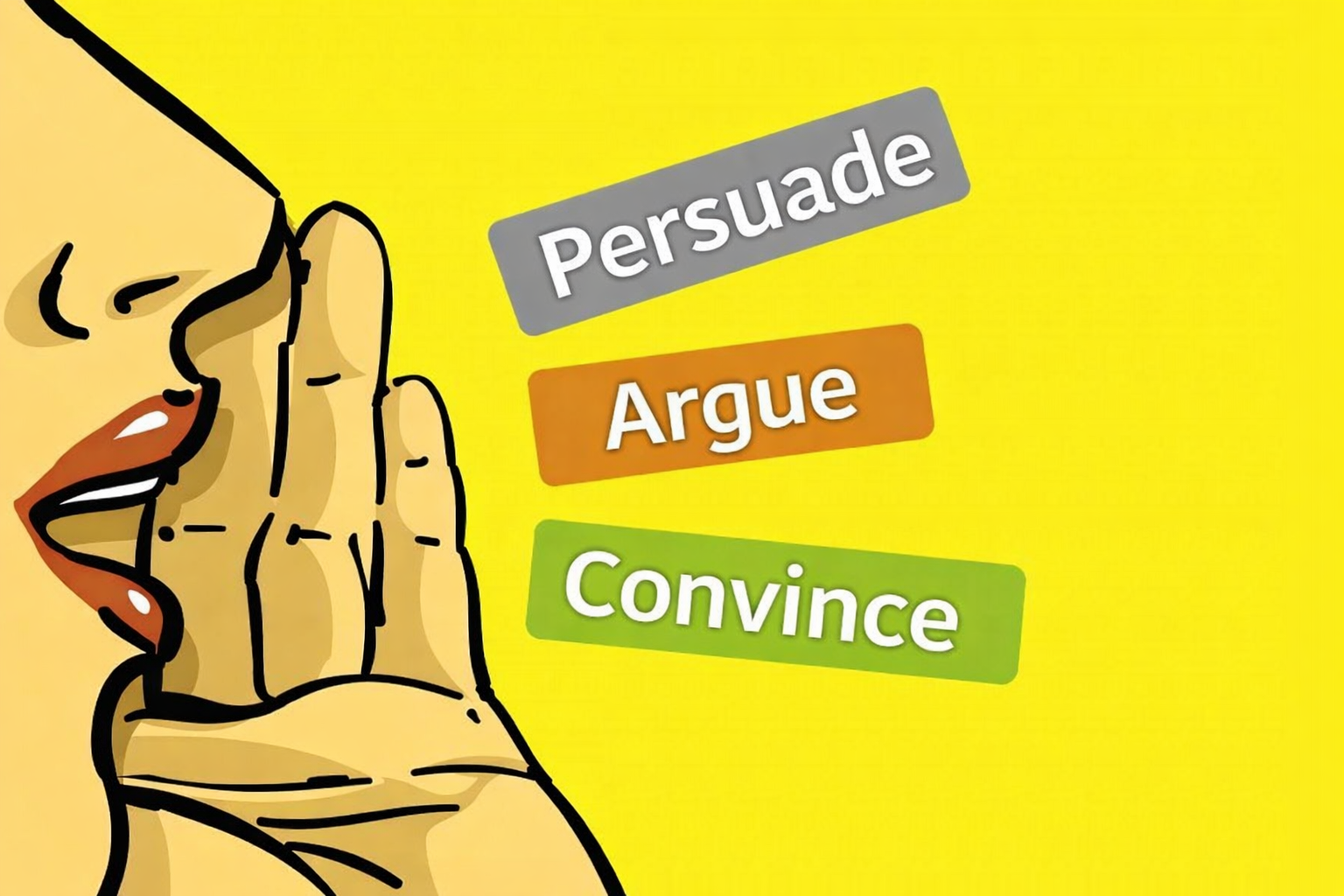
We live in a world marked by abuse and suffering, including large-scale atrocities. However, all of this can be changed if we choose to. How? Convincing others not to cause harm.
Long ago, a small number of people managed to eradicate major injustices such as slavery, the ancien régime or the subjugation of women by men by passing their ideas on to others—some of whom did the same—creating a chain that eventually became the majority. Like a row of dominoes, one after another they fell, surrendering to justice.
If that was possible in the past—when there were no social networks, smartphones, or internet, and when most people did not even know how to read or write—it is much easier today given that with these technologies we can get messages to quite a lot of people very quickly.
You may be wondering: and why should I share those messages?
And I ask you the following questions: read them in…
…AVOID HARM! Give meaning to your life by doing something for a better world
To achieve that happier world in which we do not trample on one another, we face a major barrier, even bigger than the Great Wall of China: there are 8 billion people on the planet. And how are we going to convince all of them? At first glance, it may seem like an impossible mission with our limited means, like trying to bring down that Great Wall with a simple hammer.
But if we think a little more, we realize that we have 2 good reasons for optimism.
1. MATHEMATICS
The first reason to have optimism is that mathematics do not lie: if I share my messages on all my social networks and with all (or most of) my contacts, and I convince only a small percentage of them to do the same with their contacts—and those contacts do the same, and so on—then in the end these messages will reach most of the world’s population.
All of this provided that they are translated into enough languages for everyone to understand them, and that for each language a first person is found to start spreading the messages, since 86% of the world’s population has a mobile phone and that percentage will very likely increase.
2. THE INNATE SENSE OF ETHICS
The second reason to have optimism is that we have an innate sense of justice, in some people much more developed than in others. I do not have scientific data, but intuitively I believe that on average we have approximately 40% benevolence and 60% unscrupulous selfishness. That percentage does not seem very encouraging for getting you to help share these messages so that they reach every corner, since the glass seems a little more empty than full. But the good (and bad) news is that this percentage varies greatly between people depending on their genetics and education, perhaps even reaching 90–95% goodness/justice and 5–10% evil/ignobleness.
Therefore …

