


 GIFT:
GIFT:

One way to harm others is to prevent them from dying without pain, that is:
- Either a natural death, usually as a result of illness, where we ask to be given sufficient palliative treatments to have a good quality of life in the last stage of life (even at the cost of living less time) and we are denied them.
- Or a voluntary painless death, that is, when we decide we no longer wish to live because of suffering, discomfort, or life exhaustion, and we are forbidden euthanasia or assisted suicide.
PAIN MANAGEMENT TREATMENTS AND PALLIATIVE CARE
Let’s be compassionate toward people who are ill, who are suffering and request pain management treatments or palliative care to be freed from their suffering. Let’s avoid imposing on others the dogma that one must know how to bear pain well and simply endure it—whether due to a sexist mentality (it is “unmanly” to complain and not stoically withstand suffering), a traditionalist religious mindset (which glorifies mortification, in the image and likeness of the cross that Jesus Christ had to suffer), or of any other kind.
Read LIVE WITHOUT HARMING: Be rational and avoid poisonous dogmatism
Let’s use those dogmas on ourselves if we wish, but let’s allow others to be as happy as they can and want to be. Pain is part of life, but anyone who wishes to avoid it has the right to do so to the extent that science allows, even when this has side effects or shortens life.
Moreover, would it not be better to devote far less money to research aimed at increasing the quantity of life and invest more in increasing quality of life? Is it not preferable to have less size but more substance? A shorter river, but with a greater flow?
If we want a happier world, it is necessary to invest substantial resources in neurology, neuroscience, and the biochemistry of the brain and nervous system so that one day remedies can be discovered to achieve the least possible discomfort and the greatest possible well-being.
Read more about it in MAXIMUM HAPPINESS.
Instead of so strongly promoting artificial extreme longevity and therapeutic obstinacy, would it not be better to prioritize well-being and a dignified life? Fortunately, in a few countries, such as Spain or Denmark, there is the possibility of making a living will in which we specify which treatments we want and which we refuse when our health deterioration is irreversible and we have lost the ability to make decisions.
If only one day it were possible in all countries!
EUTHANASIA AND ASSISTED SUICIDE
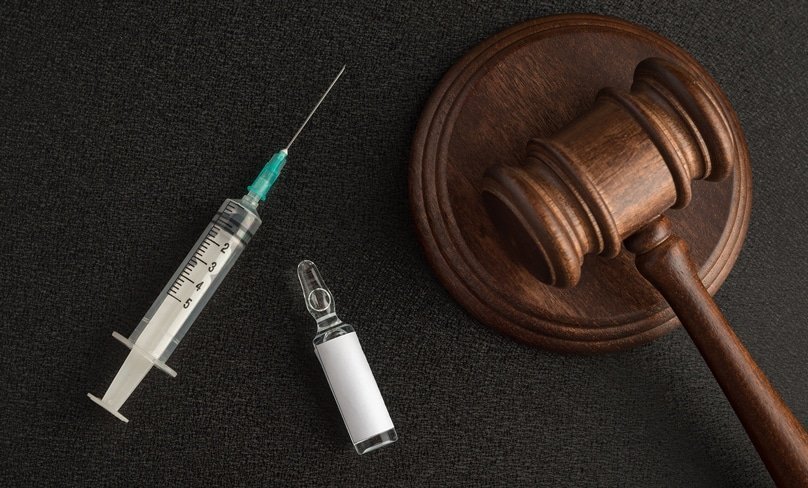
As we are free, we have the right to decide when we put an end to our life and to be voluntarily helped to do so painlessly and with dignity, if there is someone willing to do it. It is only fair that our repeatedly expressed will be sufficient (for example, once a week) over a reasonable period of time (for example, 6 months). Because life is like a Netflix or TV series. We move from episode to episode and from season to season. But the moment we get tired of the series, we have the right to press the button on the remote to turn off the screen.
Read HOW TO LIVE WITHOUT HARMING? Respect other people’s freedom
Some people, especially those of the far right, want to trample on that inalienable right out of a religious, traditionalist, and authoritarian form of dogmatism. But who are they to meddle in other people’s lives, especially when they are suffering? Live and let live, and let’s be empathetic and compassionate, as well as good people.
Read FOR A WORLD WITHOUT HARM: Do not be authoritarian
Read THE ART OF LIVING WITHOUT HARMING: Let us be tolerant
Certain people argue that if we take our own life or request euthanasia, we harm our loved ones. But in reality it is the opposite, since the grief they will go through is not the result of harm caused to them by the deceased, but of all the good and affection the person gave them over time. And, on the other hand, grief is a fact of life. In the same way that the vast majority of us will have to go through illness sooner or later, we will also have to go through grief—whether a loved one dies by suicide or not.
In fact, I have the products at home that I bought online in case at some point I decide that I want to die. I simply have to drink a mixture of them; I will fall asleep and not wake up. I am writing the book of my life until I decide that the last page has arrived and write the final sentence: And they lived happily ever after. The end. Because each person has the right to decide about their life and their death.
If you want more information about euthanasia, assisted suicide, and other forms of dignified death, you can obtain it from NGOs that are doing excellent work, such as Derecho a Morir Dignamente.
Please share this especially with acquaintances you have in countries where these rights are not recognized.
Thank you,

