




 GIFT:
GIFT:
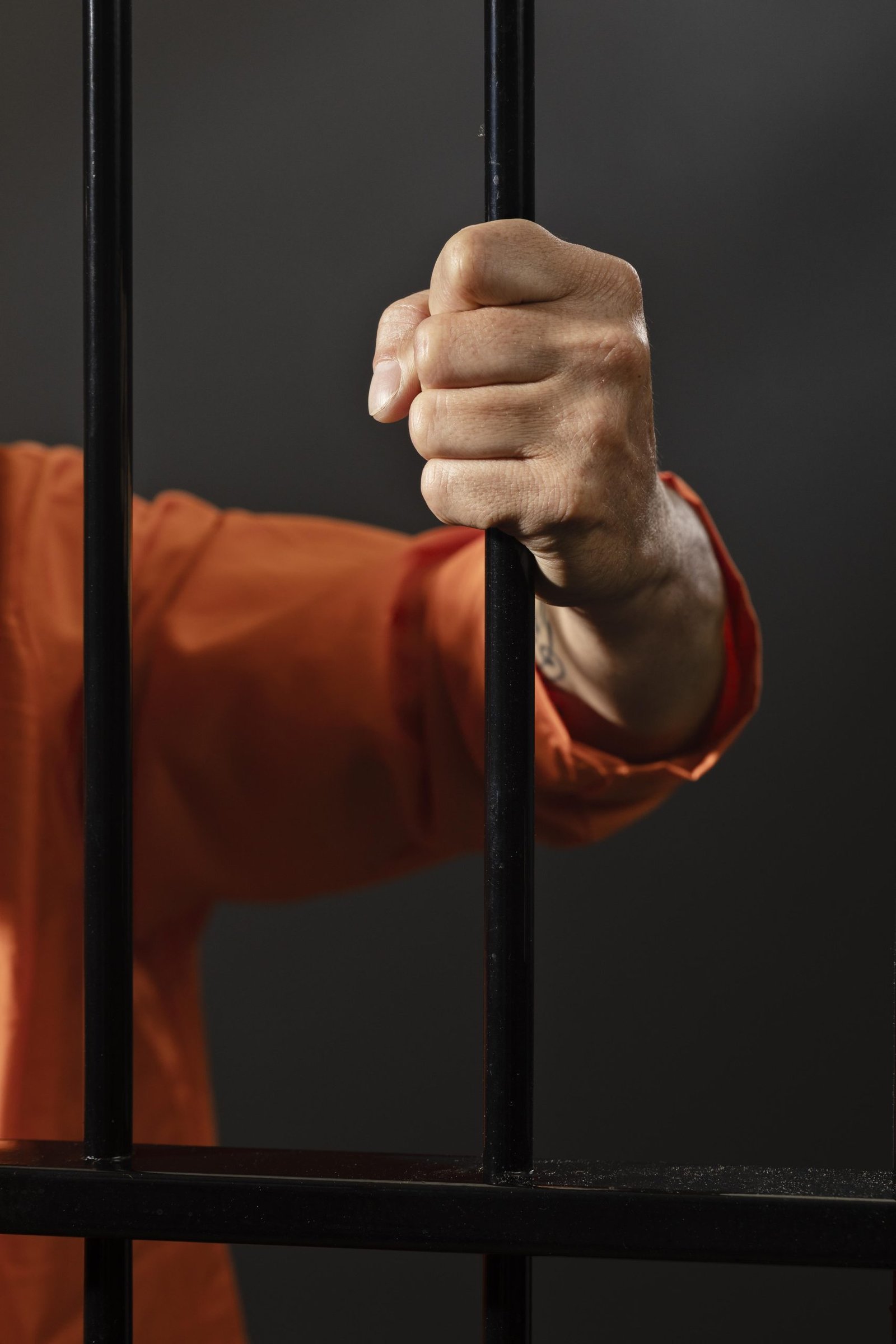
Deprivation of liberty in prison is a harsh and cruel punishment; moreover, it carries the risk that offenders may later be unable to reintegrate into the labour market and society. In addition, it has been shown not to prevent reoffending among inmates who leave prison.
For all these reasons, it would be advisable to limit it to what is strictly necessary: only when there is a risk that the criminal will cause serious harm again, or for repeat offenders of medium or minor offences, as well as when reparation is impossible without confinement.
For example, it is unfair to imprison someone who has not harmed anyone, as in cases of tax or labour fraud, or selling abroad a work of art that belongs to them, however unlawful it may be. On the other hand, a prison sentence alone does not compensate the victim for the harm suffered. Therefore, compensation is more practical and just… read more at…
LET’S REPAIR THE DAMAGES!
LET US REPAIR THE HARM!: Better compensation than punishment or revenge
Let us follow Germany’s example. Over recent years, it has greatly reduced the number of prisoners, to the point that 80% of sentences are currently financial. Of the remaining 20%, most convicted persons are on probation, so the percentage of offenders who actually go to prison is very small.
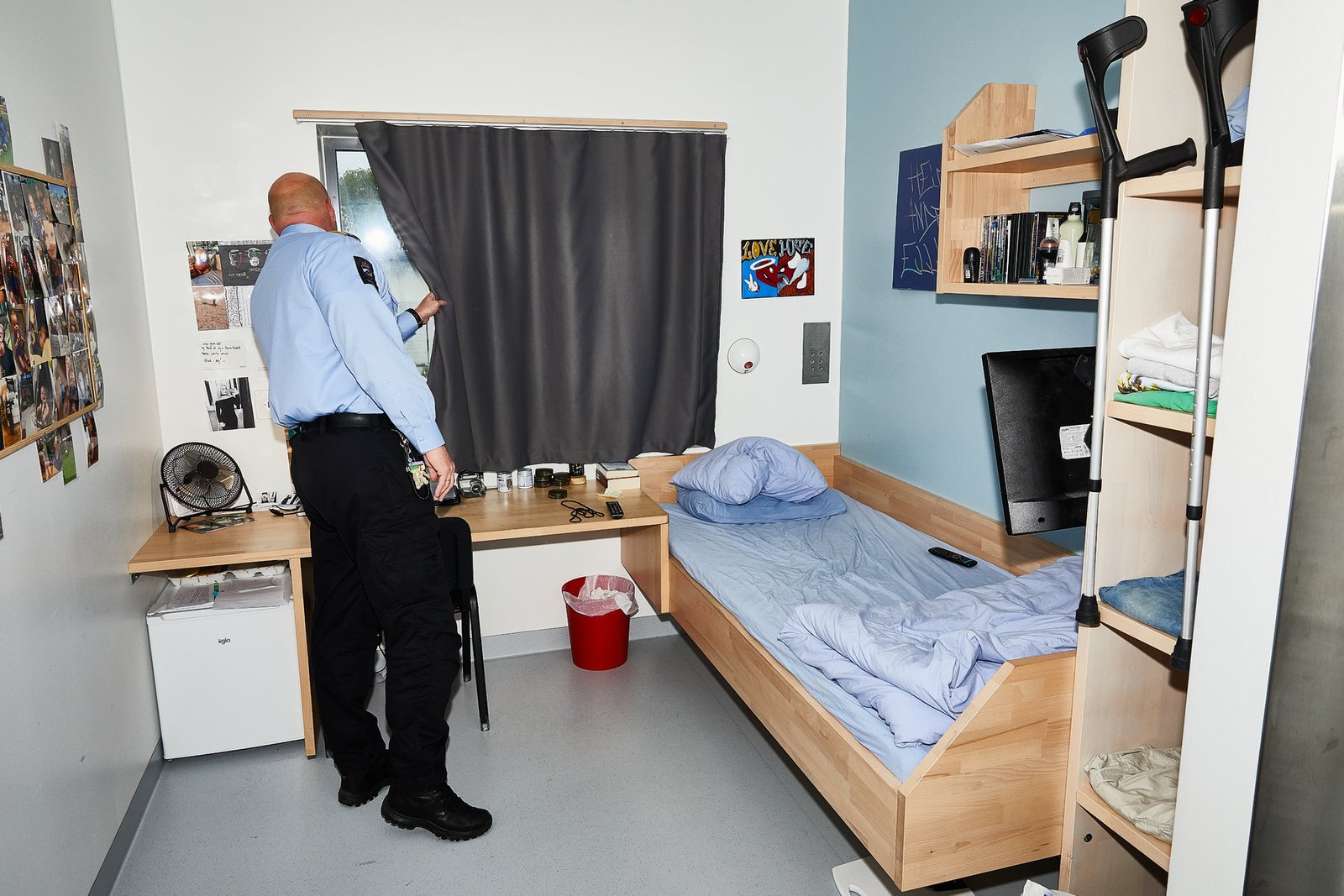
It is also advisable for prisons to meet dignified conditions, as close as possible to real life, as in Norway, where inmates enjoy considerable freedoms, such as moving freely around an island by bicycle or on foot, or going to the beach. In that country, they can continue their education (even earning official qualifications) or take fitness or yoga classes alongside their guards. All of this is effective in preventing reoffending, as this Scandinavian state has one of the lowest rates in the world (20%).
That said, what is fair is that the cost of maintaining inmates—especially when they enjoy conditions aimed at their quality of life—should be borne by them themselves through their assets and/or working hours. It is not equitable for taxpayers to have to pay this expense, since they are not servants who must be forced to work part of their time for free to support people who can work, as happened in the era of slavery or serfdom.
Read “LET US NOT STEAL!”: Let us rebel against slavery, including disguised slavery
Moreover, it would be disrespectful to the victim, who, in addition to suffering the wrongdoing, would have to pay so that their victimiser can live without working (adding insult to injury). On the other hand, keeping prisoners occupationally active will help their integration into the labour market when they leave prison.
In the prisons where victimisers live and work, it is advisable not only to provide the best possible conditions, with sufficient space and greenery, but even to offer the option of living in single or shared rooms or apartments of different sizes at different prices, as well as leisure, sports, and cultural activities. All of this is designed so that they can meet different types of needs and have as happy a life as possible, unlike the traditional prison, whose purpose is to punish by causing emotional harm to those convicted as a deterrent against breaking the law.
If an inmate victimises others, it is fair to isolate them, since it is not advisable for a prison to become a hell in which psychopaths freely prey on whomever they wish.
If you think this article is useful for achieving a fairer world, I encourage you to share it.
Thank you,

