



 GIFT:
GIFT:
Let’s try not to harm or disturb others, because the former is medium-level harm and the latter is low-intensity, but harm nonetheless.
1. HARMING
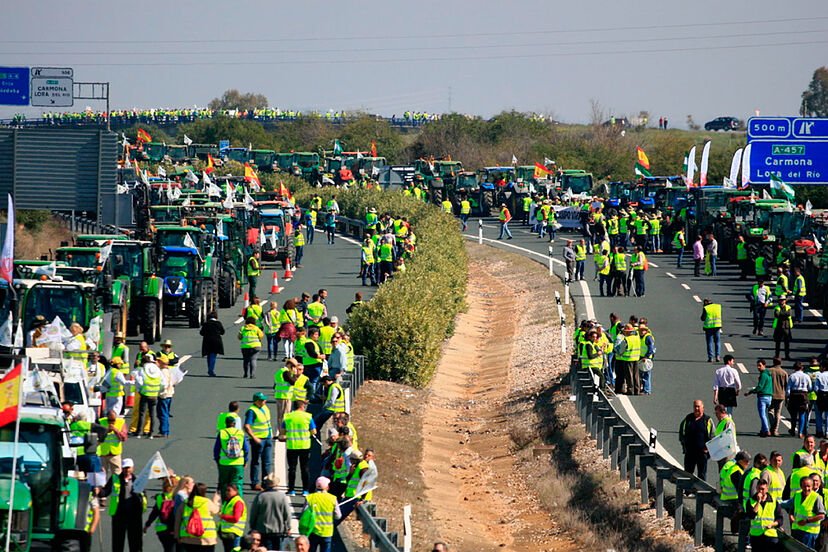
To be clear, “harming” would be what people colloquially call messing with others, being a pain in the neck or screwing over others. For example, protesting by blocking streets and roads, or by shutting down airports or trains. It would also include cases where picket lines prevent those who wish to do so from going to work. We all have the right to protest, but it can be done considerately or in a way that harms others and tramples on their right to freedom of movement.
In fact, ideally each town would have a specific area for manifestations, public events, celebrations, and festivities, from religious processions to the gay pride parades. And it would be mandatory to hold these gatherings there. To avoid disrupting citizens’ daily lives, the ideal spaces are the typical ones where there are hardly any pedestrians or traffic. There, participants can shout and make as much noise as they like, stay as long as they want, and be dressed or undressed as they please, but all without poking others in the eye.
Another way of harming is setting off firecrackers and fireworks. This may be unpleasant for some people, but above all it causes a great deal of anxiety for many animals. So much so that some people have to give Valium to their pets, or even flee elsewhere on holidays when firecrackers are set off, so their dogs do not suffer. With so many enjoyable ways to have fun, why choose one that harms others?
Another form of inconsideration is a lack of respect for what belongs to others. For example, renting an apartment and being careless with it because it is someone else’s, leaving it in poor condition. Or wasting electricity and other resources in places that are not ours, such as a workplace or a hotel, things we would not squander if we had to pay for them ourselves, thus applying a double standard: generous for us and strict for others.
Related to the above, another form of incivility is wasting everyone’s money. For example, an excess of political posts, advisers, and public employees, public bodies or subsidized associations. It is also the case when certain politicians are granted lifetime pensions, or when infrastructure that is hardly used is built to win votes in the areas where it is created, throwing money out the window in a way they would not if it had to come from their own pockets. Or taking the basket filled with everyone’s banknotes and tossing them into the air in order to support subsidized people who do not work even though they could if they wanted to, doing so to create a clientelist system of votes in exchange for benefits, etc.
Read DO NOT STEAL! Neither directly nor indirectly
Let’s have as an example cultures that are upright as a ruler. This is the case of the Netherlands, where the ethic of managing public money well takes precedence, even more than private money, and where other people’s resources are cared for better than one’s own. Or the Nordic countries, where high-level politicians cycle or take public transport to their offices instead of using official cars, and where members of parliament, when they are in the capital, sleep in small studio apartments with shared washing machines instead of receiving large allowances.

WATCH VIDEO ABOUT SWEDISH PARLIAMENT MEMBERS
Another way of messing with others is reporting someone who has broken a legal precept but has not harmed anyone. Would it not be better to mind our own business and leave others in peace?
LIVE WITHOUT HARMING: Be a good person
2. DISTURBING
An example of disturbing would be shouting or speaking very loudly in places where there are other people. Let’s learn from more civic-minded countries, such as Germany or Switzerland, which have a culture of speaking in a way that does not disturb others. In the latter, you can even be fined for playing a video at a certain volume on your mobile phone in the street.
Another example would be dirtying public places or the common areas of buildings, making graffiti, or even worse, damaging elements there, such as breaking street furniture or setting rubbish containers on fire. Because a minority does not have the right to do whatever it wants with what belongs to everyone.
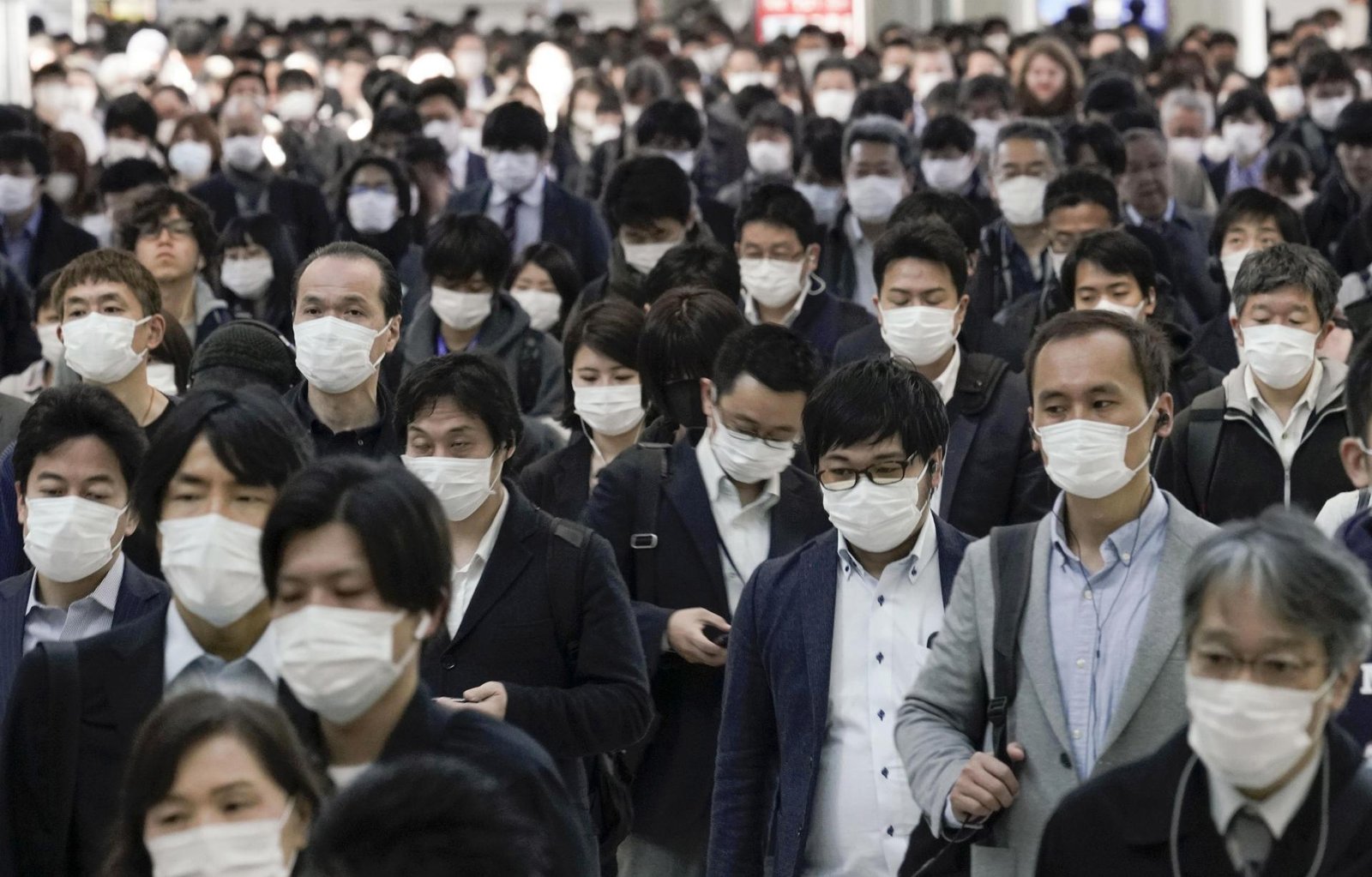
Let’s learn from more civilized cultures in this regard, such as Japan, which is so considerate that when people have a cold they wear masks so as not to infect others. Or from the Nordic cultures, where people are so polite that those who arrive first at the workplace parking lot park far from the door so that those who arrive last can park close by and get in on time.
In the time of shoguns and Vikings, they were not like this, but rather the opposite. If they have managed to improve so much, moving even from very dark grey to a much lighter shade, why should any society not be able to do the same, if enough people set their minds to it?
That said, it is not advisable to take consideration culture to an extreme, as that would lead to abusive situations. On the contrary, let us recognize the 3 types of disturbance that are legitimate… read more in…
…HOW TO LIVE WITHOUT HARM? Recognize the 3 legitimate grievances
On the other hand, let’s not overreact to minor disturbances; instead, let’s respond proportionately: strong responses to major harm, moderate responses to moderate harm, and small responses to small disturbances. Let’s use a hammer for small rubble and a sledgehammer for large rubble, not the other way around.
Read FOR A WORLD WITHOUT HARM: Be proportionate in the face of abuse
Let’s spread a culture of healthy consideration for others if we want our society to be more civilized and pleasant to live in. For this, educating children and teenagers and raising awareness among adults is essential.
Read AVOID HARM: Educate children in the ethics of kindness
The building of civic life does not construct itself, but is built with the bricks that many people lay, which requires education, persuasion, and giving visibility to this type of message.
Thank you for being proactive and sharing,

